

Let's Talk
We would love to hear from you. Want to know more about our services or have any questions? Say Hi!
Brand Archetypes: Definition, Types & How to Use It

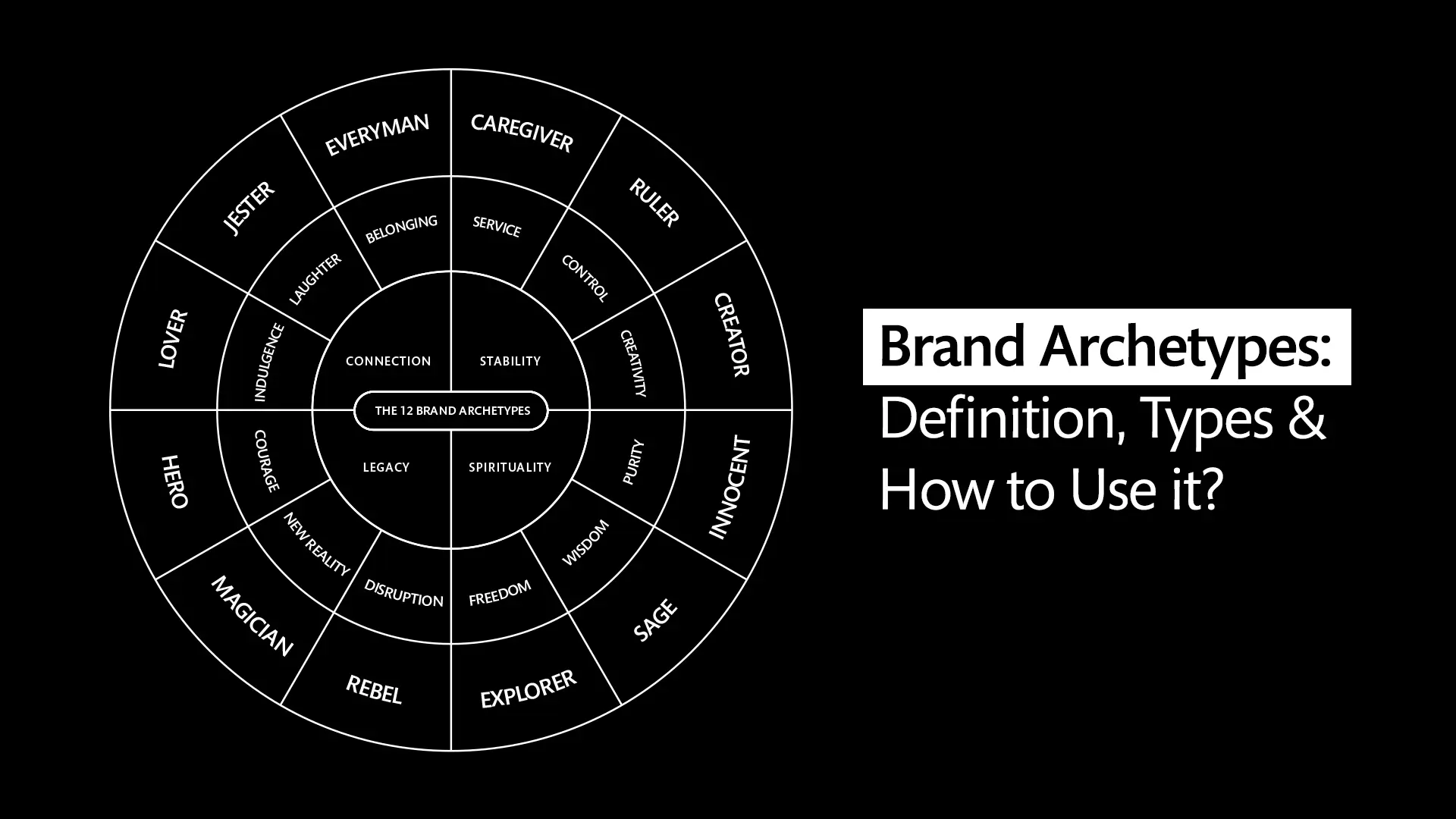
One of the most important things a business can do to build a memorable and emotional identity is to understand Brand Archetypes.
Because they are based on psychology, brand archetypes give your brand a consistent personality that connects with your audience on a deeper level than just logos and taglines.
What Are Brand Archetypes?
Brand archetypes are universal character models that show what drives, desires, and values people at their core.
They were first used by psychologist Carl Jung. When used in branding, they show how a brand should talk, act, and make people feel.
A strong brand has a story, and the “character” in that story is based on an archetype. Whether a brand calls itself a brave hero, a wise mentor, or a silly jester, that archetype shapes everything about it, from how it talks to people to how it looks.
Archetypes are a good way for a skilled branding agency to build brands that feel real and stick in people’s minds.
Types of Brand Archetypes
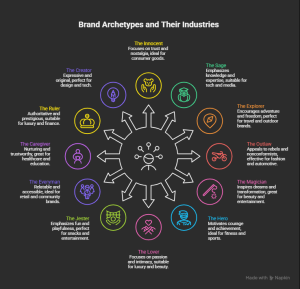
There are 12 classic brand archetypes, and each one has its own traits, goals, and ideal industries:
1. The Innocent: Hopeful, good, and innocent. Safe, easy, and happy are what innocent brands promise. People who value trust and nostalgia like them. (For instance, Dove and Coca-Cola)
2. The Sage: Wise, knowledgeable, and truth-seeking. Sage brands try to come across as experts and leaders in their fields. People who want to learn and grow are drawn to them. (Example: Google, BBC)
3. The Explorer: Adventurous, free-spirited, and bold. Explorer brands encourage people to go beyond their comfort zones and see the world. They do really well in lifestyle, travel, and outdoor categories. (Example: Jeep, Patagonia)
4. The Outlaw: Rebellious, annoying, and not afraid of anything. Outlaw brands go against the rules and appeal to people who don’t like the way things are now. They make nonconformists loyal in a way that’s like a cult. (For instance, Harley-Davidson and Diesel)
5. The Magician: Visionary, life-changing, and inspiring book. Magician brands say they can make your dreams come true. They are great at work in the beauty, tech, and entertainment industries. (For instance, Disney and Apple)
6. The Hero: Brave, driven, and set on doing what necessary. People are motivated to face their fears and be their best selves by hero brands. They do really well in the fitness, sports, and performance industries. (For example, Nike and FedEx)
7. The Lover: Passionate, close, and sensual. Couples, beauty, and pampering are what lover brands are all about. They appeal to people who want to have fun and fall in love. (For instance, Chanel and Victoria’s Secret)
8. The Jester: Silly, fun, and playful. The people who buy jester brands love that they don’t take themselves too seriously. It’s great for them to work with snack, entertainment, and casual lifestyle brands. (For instance, Old Spice and M&Ms)
9. The Everyman: Relatable, real, and open to everyone. Guys’ brands make them feel like they fit in. They value community and accessibility over exclusivity. (For instance, IKEA and Target)
10. The Caregiver: Caring, nurturing, and watching out for the person. Brands that care for people put them first and earn their trust. They are very powerful in the education, healthcare, and non-profit sectors. (Example: Johnson & Johnson, UNICEF)
11. The Ruler: Authoritative, well-groomed, and in charge. Ruler brands show power, status, and quality. People who value prestige and leadership are drawn to them. (For instance, Mercedes-Benz and Rolex)
12. The Creator: Creative, original, and expressive. Creator brands value creativity and originality. They do really well in creative, tech, and design fields. (For example, Adobe and LEGO)
Brand Archetypes Examples
The idea of archetypes makes sense when you see them in action. Here are a few examples from real life:
- Nike (Hero): Every Nike ad is about sticking with something until you get it right. Like the Hero’s drive to go beyond what’s possible, its slogan, “Just Do It,” tells people to do something.
- Apple (Magician): Apple doesn’t just sell gadgets; it sells ways to change things. Its brand story has always been about how technology can make the world a better place and let people be creative.
- IKEA (Everyman): The whole IKEA brand is aimed at regular people who live real lives. The brand is perfect for Everyman because it sells affordable furniture, has ads that are easy to relate to, and believes in being “for everyone.”
- Harley-Davidson (Outlaw): Harley doesn’t sell bikes; it sells freedom and disobedience. The group’s community, culture, and messages are all based on breaking the rules.
FAQs
Q1. Can a brand have more than one archetype?
Yes, but it’s better to start with one main archetype and add depth with a secondary one. Too many archetypes mixed together weaken your brand’s identity and make it less consistent.
Q2. How do I choose the right archetype for my brand?
Start with what your brand stands for, what it wants to do, and who it wants to reach. Think about what emotional need your product or service meets and then match it with the archetype that best fits that need.
Q3. Are brand archetypes only useful for large businesses?
Not at all. Defining their archetype early on is very helpful for small businesses and startups. It makes messages clear, saves time on creative choices, and speeds up the process of building a loyal audience.
Q4. How does a branding agency use archetypes?
A branding agency uses archetypes as a guide to shape all parts of your brand, from the logo and color scheme to the tone of your content and your campaign strategy. This way, they can make sure that all of these parts tell a consistent, emotionally powerful story.