


Let's Talk
We would love to hear from you. Want to know more about our services or have any questions? Say Hi!


The Future of Branding: Leave the Crowd & Be a Next Gen Brand

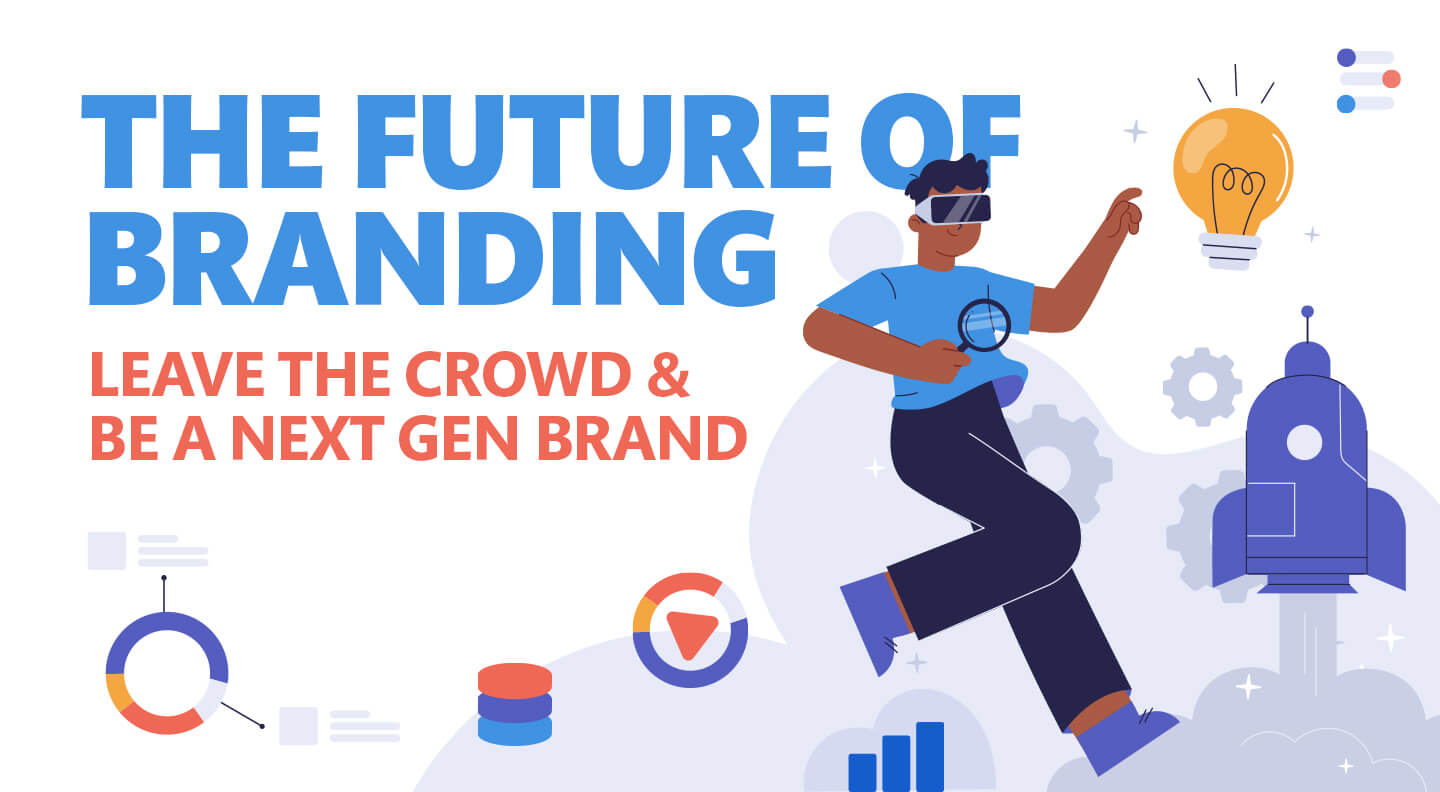
Over the past years, purpose-driven branding has been the key to successful businesses. Companies that know why they are selling their products, and exactly which demographic they are targeting, were sure to succeed until quite recently.
However, in 2026, purpose is still necessary, but no longer sufficient for long-term success. The future of branding depends much more on creating lasting, embodied connections going out into the real world, establishing crucial industry contacts, hosting experiences and creating community.
Let us explore what makes next-gen brands stand apart from their rivals in an increasingly crowded market.
How Modern Businesses can Usher in the Future of Branding
While branding entails evolution in regular intervals for businesses to stay relevant, some key trends are now shaping the future of branded content.
Combined with a purpose-driven strategy, modern brands also need to demonstrate tech-enabled experiences and authentic connections.
This will help next-gen brands to remain contemporary and connected to their target audience. For this, they should partner with experienced branding agencies that can navigate the ins and outs of a constantly evolving market and come up with modern, scalable strategies.
Key Trends Shaping the Future of Branding:
- Purpose-driven branding: Modern branding strategies focus on more than just profit, towards creating powerful social and environmental campaigns, so that brands can share the values upheld by their target audience. This leads to more emotional experiences and fosters long-term customer loyalty.
- Personalisation at scale: Today’s brands need to constantly refine the experiences they present to customers through innovative development using data analytics combined with AI. This helps them to achieve greater levels of personalisation. Personalised digital experiences are key to business success in a world dominated by smartphones and social media.
- Authenticity and transparency: Advertising how great your products are is not enough in the current market of increasing consumer awareness. Transparency regarding sourcing and manufacturing processes, as well as the authenticity of voice, does much more than flashy advertisements, as these attract long-term market relationships. 88% of consumers are more likely to support an authentic brand.
- Influencer and collaborative branding: Brand perception now leans more on influencer partnerships, with authentic and niche influencers being larger drivers than traditional celebrities. Such partnerships help to unlock powerful synergies, giving businesses access to wider audiences and meaningfully engage with existing customers.
5 Advantages of Branding
Now that you know all about the trends shaping the future of next-gen brands in 2026, let us explore the top 5 benefits of branding for sustainable success.
- Competitive differentiation: No matter which industry your brand is in, it is of utmost importance to stand out from rivals in an increasingly crowded market. A solid, consistent brand identity helps to differentiate your business visually, while an organised brand strategy helps to highlight your unique voice and values for audiences to relate to.
- Increased trust: Appropriate branding strategies help to establish your business as a respected and trustworthy presence in the industry. When you consistently define and deliver your brand promise and values, it signals authenticity and commitment towards the audience. This leads to new opportunities, high-quality referrals and long-lasting relationships.
- Improved marketing and sales performance: Branding and marketing can go hand in hand in many ways. Branding increases the awareness of your presence among your target audience, which allows them to perceive value in your activities, making room for sales opportunities. Moreover, a well-defined brand identity and creating cohesive communities to connect with customers, whether on social media, video streaming platforms or newsletters, leads to effective marketing, making communications more compelling.
- Easier introduction of products and services: Having a well-defined brand image also allows businesses to easily introduce new products or services, as customers are already aware of the overall brand aesthetic. This familiarity reduces potential risks that can crop up when something new is introduced. Hence, having a consistent brand image minimises losses that may occur due to the customers’ unfamiliarity with new strategies, as they know what to expect and can therefore trust the new launches.
- Operational clarity and guidance: A consistent branding strategy provides greater guidance and clarity at all levels of business, as your mission and brand values get integrated into organisational decision-making, customer experience strategy and marketing campaigns.
Conclusion
While purpose-driven branding remains one of the core priorities for long-term success, various emerging trends have started shaping the future of next-gen branding.
Tech-focused experiences, increased personalisation, strategic influencer partnerships and creating communities driven by authentic and transparent brand values are now paramount for sustainable success.
Brands can leverage the market experience and technological expertise of branding agencies like Litmus Branding, a branding agency in ahemdabad to position their image strongly in the market and effectively appeal to target audiences.
FAQs
1. What is next-gen branding?
Next-gen branding focuses on building real connections and personalised experiences beyond conventional promotional campaigns, to create long-term loyalty and sustainable growth.
2. Why is the purpose of branding not enough?
While purpose remains a core aspect of branding, customers now expect authenticity, meaningful engagement and transparency regarding brand values. Hence, these trends need to be integrated into branding strategies for next-gen brands.
3. How can businesses adapt to future-focused branding?
By using AI, building communities of like-minded individuals, and focusing on honest, personalised communication, businesses can adapt to future-focused branding.