





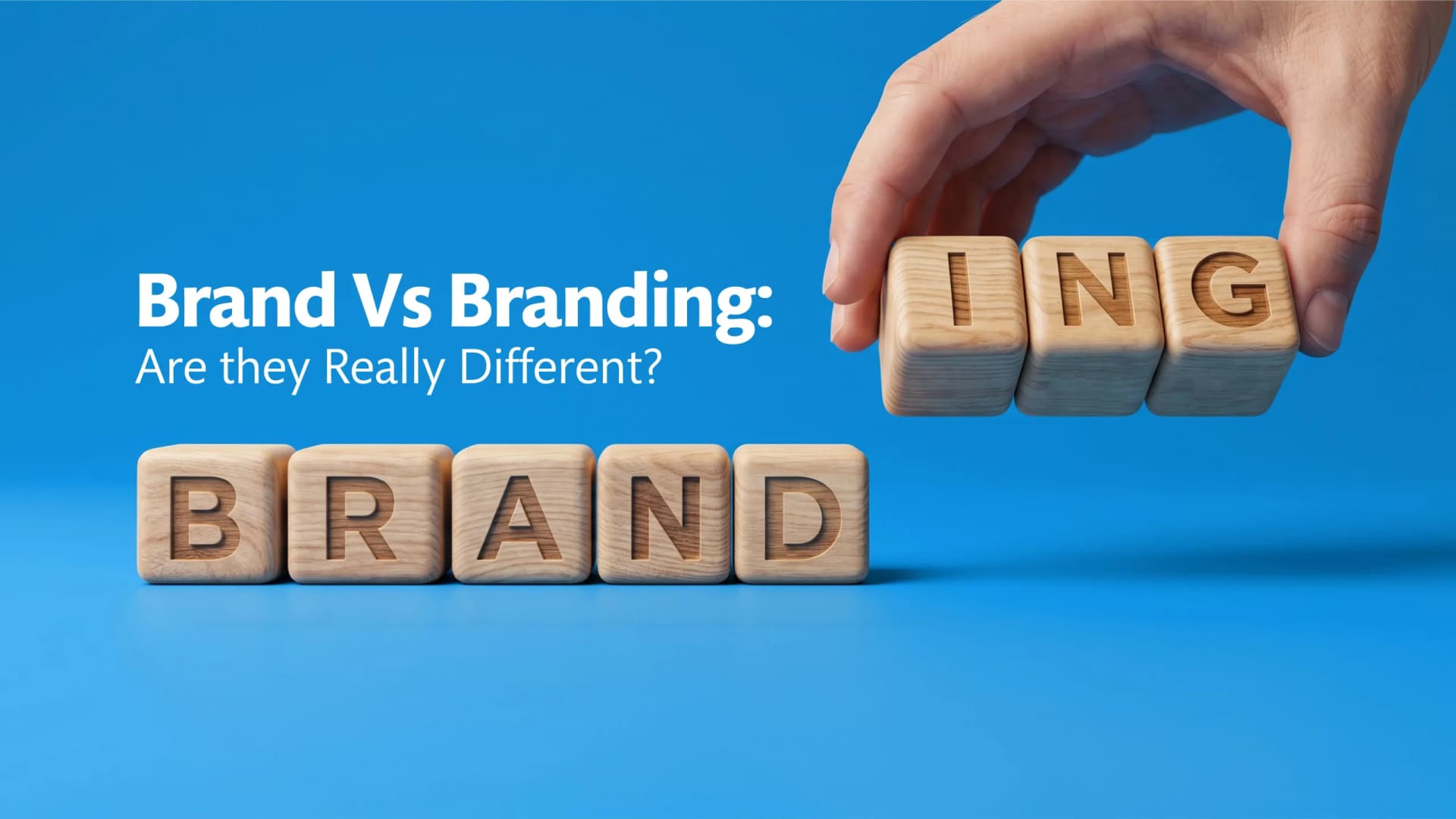
Numerous people use the terms Brand and Branding interchangeably. Although they are interconnected, they represent two very distinct aspects of how a business is perceived.
One is the brand’s reputation that is built over time, and another is the conscious marketing strategy behind building that brand. often developed with the expertise of a branding agency.
What Is Brand?
A brand is not a company name, logo or product; it is everything. It’s the general impression that people get of the business; the feeling they have with respect to the company’s title, its services and products.
For example, if they hear the name of an international company, they might have the image of innovation, luxury and reliability.
The brand is created by these associations. Customers may know a business based on the feelings and expectations that come with it even if they don’t know its logo.
Reputation takes a long time to build; it can be designed in one night and then developed through consistent actions, experiences and interactions. Likewise, a company builds its brand through experiences they offer their audience.
There are several benefits to a strong brand:
- Ensures customers’ trust and credibility
- Differentiates itself from its competitors
- Encourages customer loyalty
- Improves product recall
It is safe to say that in today’s saturated and competitive market, a powerful brand is one of the most valuable assets a company can have.
What Is Branding?
Branding is the process that forms and develops the brand and its reputation. It involves creating a consistent image, voice, personality and experience that aligns with the company’s goals and values.
Branding includes:
- Logo design
- Picture style and colour
- Website Design
- Packaging
- Presentation
- Advertisement
- Networking and relationships
All interactions a company has with its audience are branding opportunities. Branding that works delivers the same experience to customers through each and every customer touch point.
If a person sees the value, messaging and quality of the business repeatedly, they start to get a perception of the business. That is why a brand strategy is very much at the top of the investment strategy for businesses.
How Is Brand and Branding Different?
Although it’s closely related, there’s still a difference that’s crucial for effective marketing.
The easiest way to know the difference is:
Audiences’ perception of a business is its brand. The way to affect those thoughts is branding.
For example, let’s say you’re opening a restaurant; the interior, the menu, your site, your ad and social media pages are all part of branding.
But the final word on that should be the customer’s after they experience it, and that’s the brand.
Brand Vs Branding: Key Differences
| BRAND | BRANDING |
| Stands for the perception and representation | Stands for the actions and strategies. |
| Developed through customer experiences | Created through planned efforts |
| Exists in customer’s mind | Controlled by the business |
| Shows trust and recognition | Builds trust and recognition |
| Outcome of branding | Process to create the outcome |
Businesses often immensely rely on branding activities while completely neglecting the ultimate goal to create a positive brand.
Consistent customer experience over time will build a brand over time, while attractive visuals and keeping up with trends may attract attention.
Role of Brand Identity

A very essential component of a successful brand is its brand identity, which represents the collection of visual, verbal and emotional elements that make a business recognisable.
Brand identity includes:
- Logo
- Colour palette
- Visual guidelines
- Typography
- Tone
- Mission
- Values
Brand identity is the visible expression of a company’s personality, helping customers to instantly recognise and remember the business.
For example, when customers constantly see the same colours, messaging style and visual details across different platforms, they begin to gain trust and familiarity.
This strengthens brand recognition and contributes to a stronger overall reputation. Without a clear and vivid brand identity, businesses may struggle to communicate who they are and what they stand for.
Conclusion
The debate circumscribing Brand and Branding becomes much clearer when one understands that they serve different purposes.
Businesses that invest in thoughtful branding, maintain consistency and create positive customer experiences are far more likely to build strong and lasting brands that stand out in today’s competitive environment.
FAQs
Q1. Can a business have branding without having a strong brand?
Yes. Every business engages in some sort of branding, but a strong brand only develops when customers constantly have positive experiences and form a favourable perception.
Q2. How long can it take to develop a strong brand?
Building a strong brand is a very long process. Branding starts immediately, but developing customer trust and recognition often takes months or even years of effort.
Q3. Is branding important for small businesses?
Branding helps small businesses to differentiate themselves from other competitors and create a memorable identity that attracts and retains customers.